 an instrument for circular interaction with light and sound. following the pattern established by the grid, each attached application determines the tactile and visual process.
sound machines for
the exploration of time
and space
06/06/25 - unpredictable geopolitics with regard to tariffs have created various levels of delay and price increase so it makes sense not to have surprises when ordering internationally. now all international orders will include duty and taxes to be prepaid. these will be listed as line items, and the package should arrive to you quickly and without added complexity and surprise costs. as before, there's basically no way for us to undervalue packages. as before, if we were to use international retailers these costs would be lumped into the cost passed onto you. but prepaying duty means you lock in a price, whereas the daily policy rollercoaster might leave packages in transit a less certain landing. we'll see how this works out for now and reassess if need be.
mid-summer is intentionally vague as we build more machines and await component shipments, but i think arc may be ready early july and norns in late july.
before then we'll have something to share on the iii front.
before ordering please read this page regarding taxes, shipping, and returns.
an instrument for circular interaction with light and sound. following the pattern established by the grid, each attached application determines the tactile and visual process.
arc
four knobs ringed with decoupled warm white light
1024 ticks per revolution, single pushbutton
usb C, 10.2" x 2.7" x 0.9", 1.0 lbs
$1100 - sold out, next coming mid summer
shipping has begun on existing orders. all orders should be shipped by about May 20 as we complete the build.
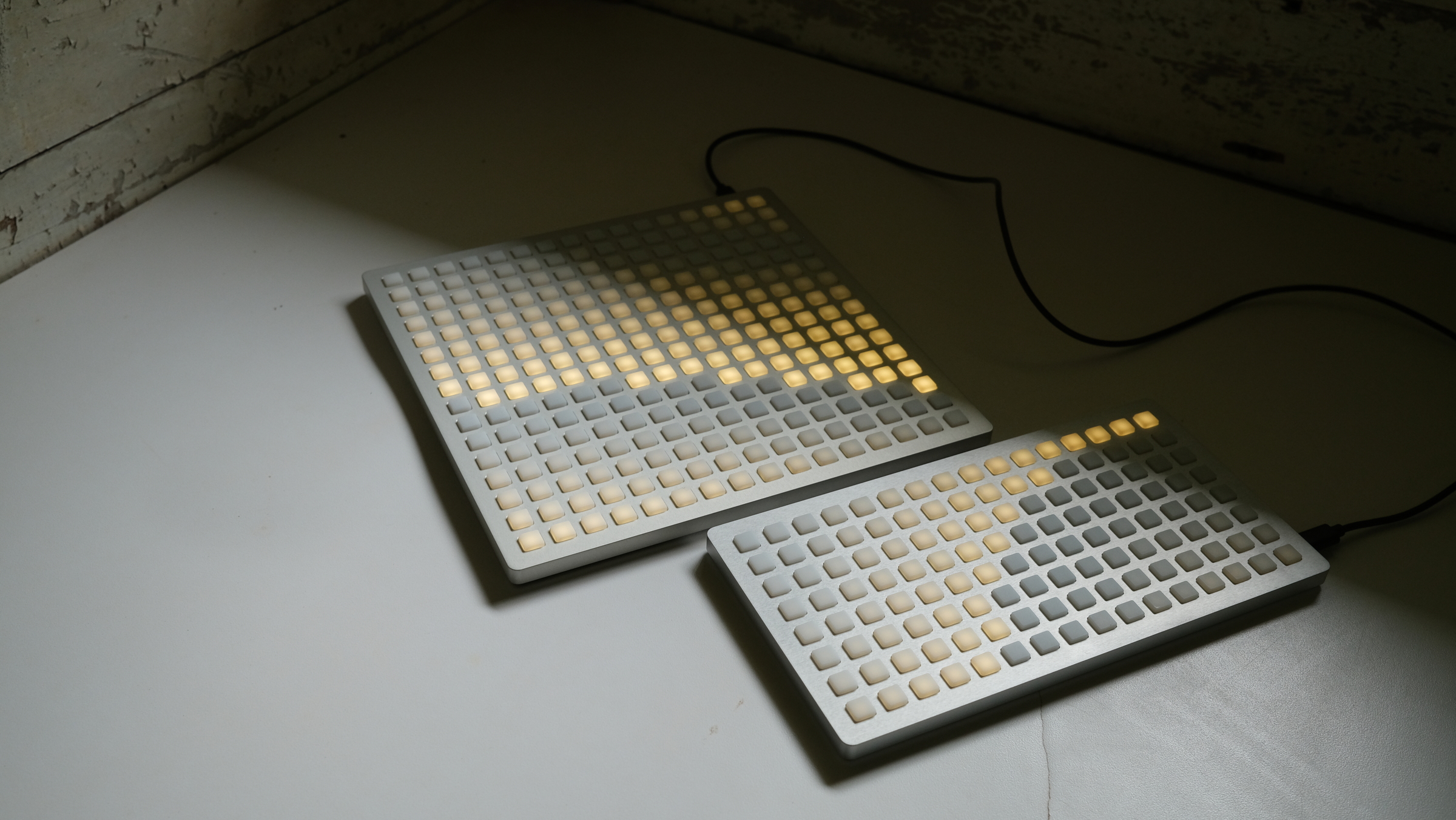 an open, tactile instrument that allows the user to imagine and define its function.
the monome grid by default does nothing. connected to a computer or module, interaction is determined by the chosen application: sequencer, sample cutter, tone map, polyrhythm machine. we’ve put together studies to help you create your own.
zero
sixteen by sixteen keys with decoupled warm white light
usb C, 10.2" x 10.2" x 0.5", 2.8 lbs
$1500
one
sixteen by eight keys with decoupled warm white light
usb C, 10.2" x 5.4" x 0.5", 1.6 lbs
$800
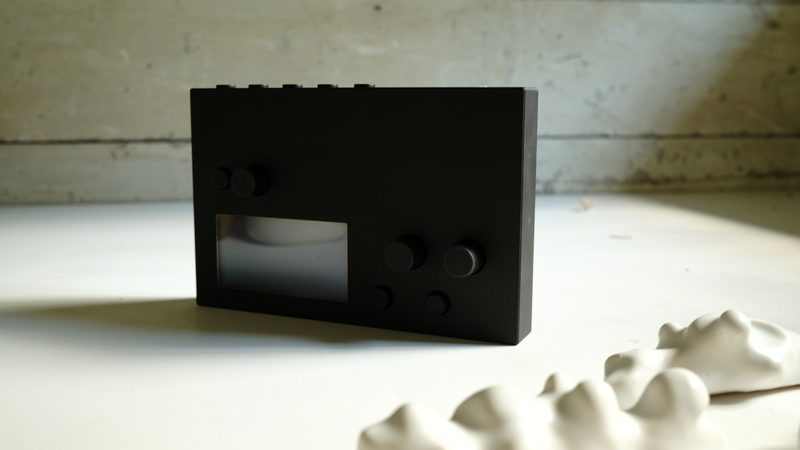 changes. travels. is open to possibilities.
norns is many sound instruments. it connects to grids, MIDI and other objects. norns lets you define its behavior with scripts and DSP. we've created extensive studies to help actualize new instruments yet to be imagined.
$900 - sold out, next coming mid summer
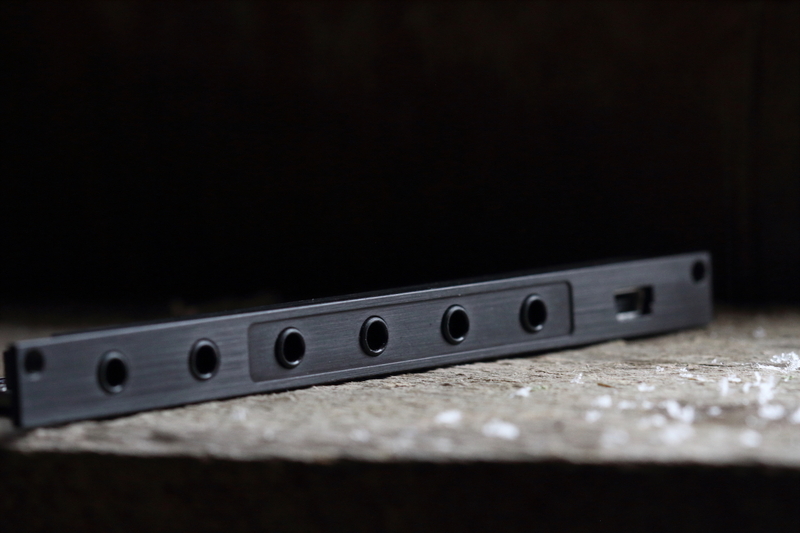
speaks and listens and remembers bits of text. a scriptable usb-cv-ii machine.
crow connects to norns and computers running max, max for live, and other serial-enabled applications. we've created various norns scripts and max for live devices which require no programming, and we've also created tutorials and studies to get you started quickly programming your own ideas into this tiny, powerful module.
$280
contact help@monome.org with questions.
llllllll.co is for community discussion.
shipping happens on tuesdays. a tracking number is sent when each order ships. see shipping updates for current status on any waiting preorders.
we're committed to keeping these machines working. email us for repairs. also see purchase policy.
in the past we created some other objects.
events and release announcements and stock updates: subscribe via our email newsletter or use rss

monome is brian crabtree and kelli cain. we met in art school where our initial collaborations included electro-mechanical installations, films, and music. now we live and work in the mountains of upstate new york where we also tend apple orchards, shiitake stacks, and forest paths.
monome is operated on a human scale. we use local suppliers and manufacturers, assemble and test in house, and only sell direct. like our designs, our organization is focussed on adaptability and the long-term. staying small affords us the flexibility to pursue interesting new directions, not simply commodify established trends.
monome is supported by a global community of curious, helpful, and creative people. dani derks is on the team. all based at luck dragon.
we began in 2005. we continue.
monome — updated 06/06/25